
Serving Greater Ann Arbor
TCI Home Services Before & After Photos
Click on a photo to enlarge.
Insulation Upgrade In Pinckney, MI
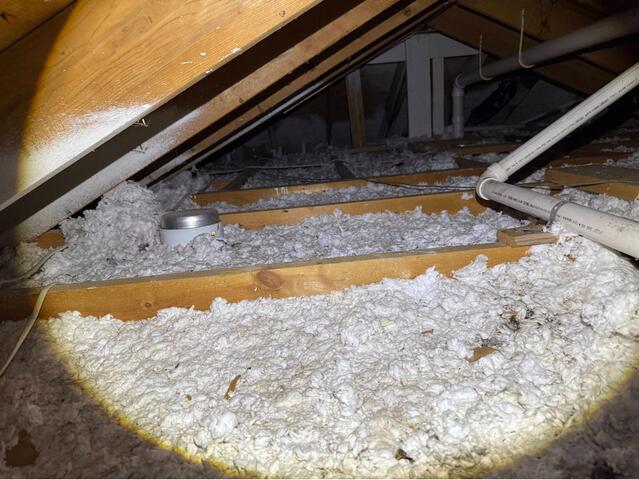
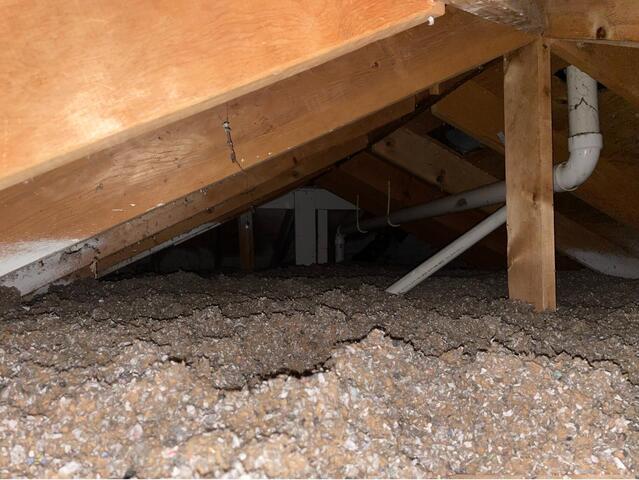
The TruSoft™ Cellulose Insulation we installed for this homeowner has a higher rated R-Value per inch versus fiberglass. The R-Value is a measurement of the ability to resist heat flow. Using this blown-in cellulose insulation you can have less inches and space taken for a better R-Value than fiberglass.
Mold Doesn't Stand A Chance In Pinckney, MI
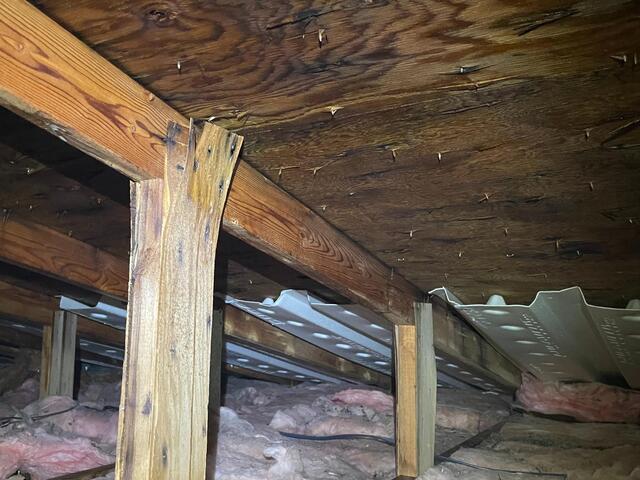
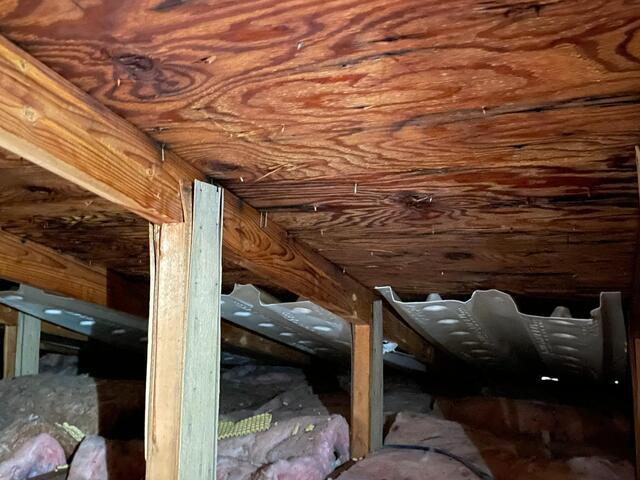
Mold was found in the attic due to blocked ventilation. We had to treat the mold for sure, but we didn't ever want it to come back so we added 52 brand new baffles to ensure air flow.
Mold Remediation In Pinckney, MI
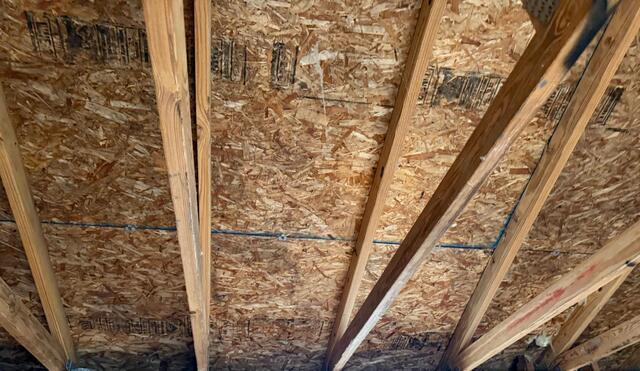
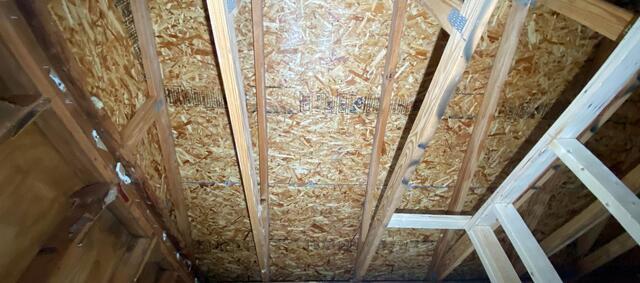
This wood came out looking brand new, as if it had been replaced! We spray treated with RMR-86 and almost like magic, we were able to remediate this mold and take care of all the staining too.
TruSoft™ Cellulose To R-60 In Pinckney, MI
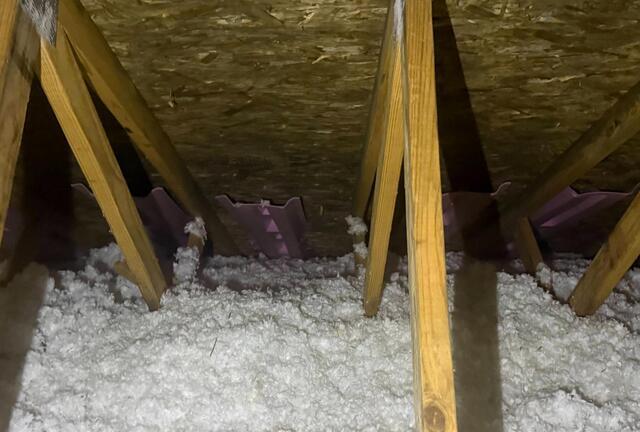
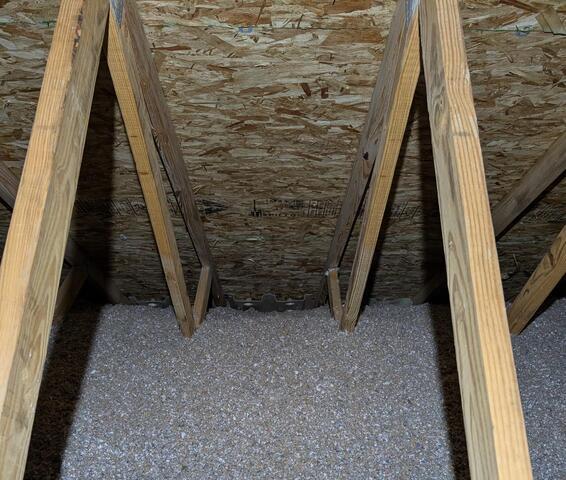
Our customer reached out after noticing the sheathing, or underside of their roof, was stained and damp. TCI came in, remediated the start of mold (this situation was caught in the nick of time!) and then we proceeded to rid the attic of the contaminated insulation, air sealed the attic floor as well as around gable bath fan ducts. We finished off with TruSoft™ blown-in cellulose insulation to up the R-Value to 60.
Mold Remediation In Pinckney, MI
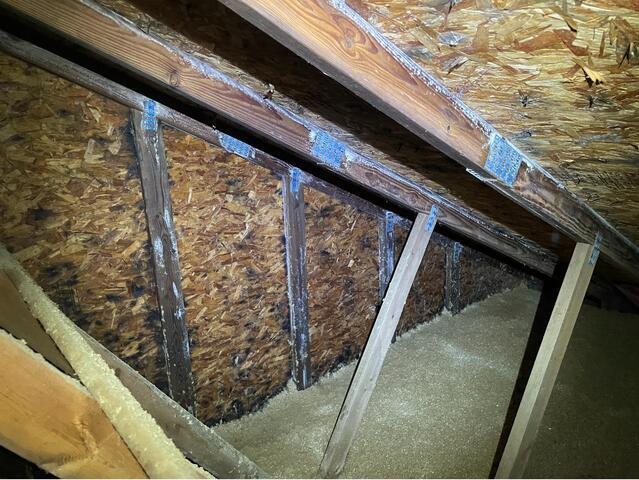
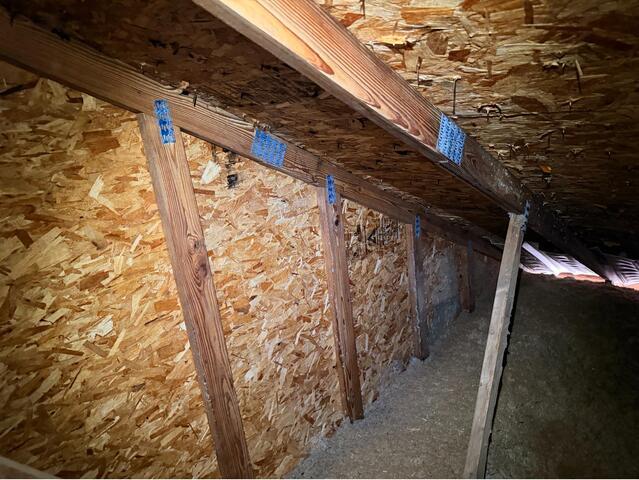
While our customer had some roofing issues and ventilation issues that led to this mold, we were able to bring the wood back to life by spray treating with RMR-86. With the roofing and ventilation issues corrected, our customer won't have to worry about it returning!
our service area